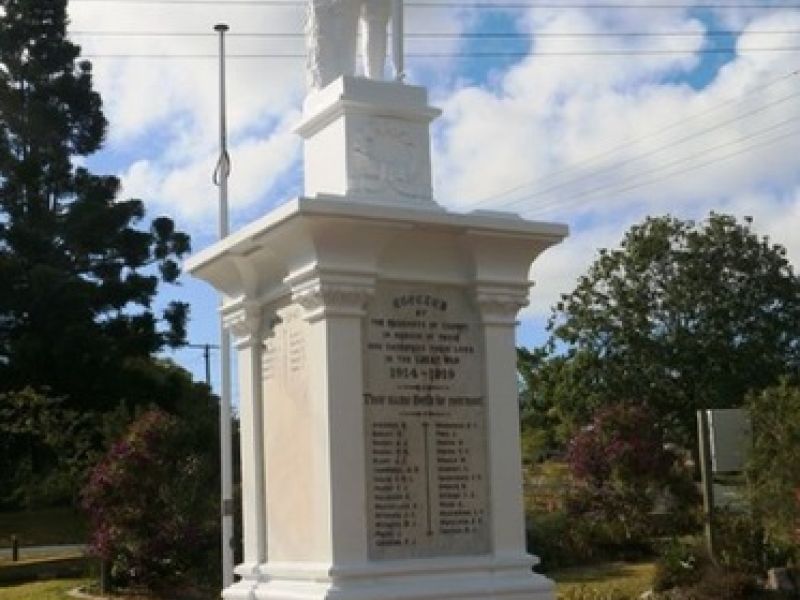
Private Cosby Kennedy Snodgrass, 26th Australian Infantry Battalion
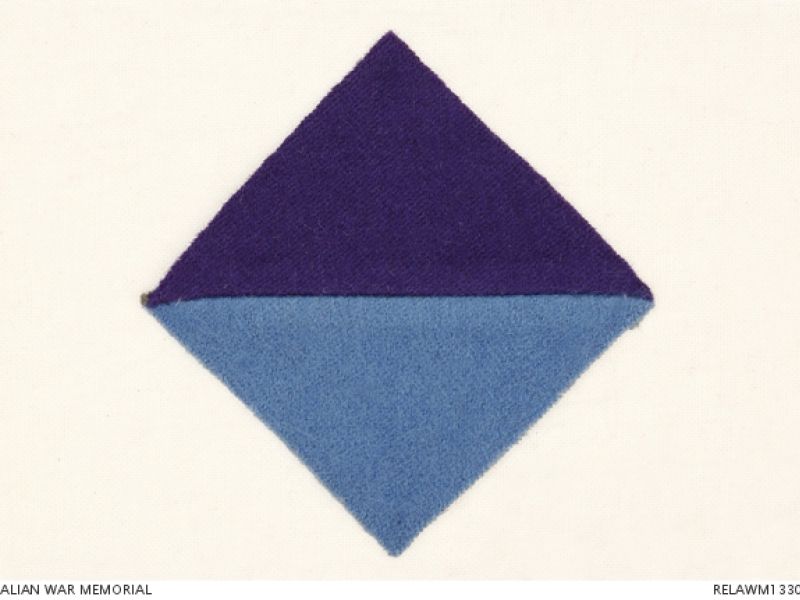
 Australian War Memorial
Cosby Snodgrass was born in 1886 in Lismore, New South Wales, one of ten children born to John Robert Snodgrass, a farmer, and his wife Eleanor. Cosby grew up around the Northern Rivers where his father owned a large property. He was educated locally and later moved to the town of Cooran where he operated a banana plantation. He was there when the First World War broke out in 1914.
Snodgrass enlisted in the Australian Imperial Force on 16 January 1916. He was assigned to the 11th Reinforcements of the 26th Battalion with the rank of private. At the end of March, Private Snodgrass embarked for active service, sailing from Brisbane on board the troopship Star of Victoria.
He travelled via Egypt to Marseilles in the south of France. From there, he was immediately sent north to join his unit. After some time in hospital with tonsillitis he was able to join the rest of the 26th Battalion, which had been embroiled in bitter fighting around the village of Pozieres.
Just one day after joining his unit, it made an attack on the heights above the village. Despite encountering heavy resistance from enemy lines, it managed to push forward and dig in. The next morning, however, the enemy infiltrated the 26th’s right flank and Snodgrass was wounded in his right arm. He was evacuated by field ambulance and taken to the 44th Casualty Clearing Station for treatment. His wounds were severe enough that he was unable to re-join his unit until the end of September 1916, returning to the front just in time to spend a bitterly cold winter in the trenches.
In early 1917, German forces began making a strategic withdrawal to the fortified Hindenburg Line. Their retreat was eagerly followed by Allied units who seized their opportunity to push the enemy back. In advancing on the Germans, these units were confronted by well-prepared rear-guard defences and booby-trapped towns, which resulted in a series of bloody clashes. Private Snodgrass’s unit was caught in one of these attacks at the village of Lagnicourt in April 1917.
Allied lines around Lagnicourt had been significantly weakened due to the British offensive farther north at Arras. Important resources had been drawn away from this sector – leaving the few remaining allied units vulnerable to attack. Sensing a swift and easy victory, 23 German battalions attacked Lagnicourt at dawn on 15 April 1917. With overwhelming numbers they quickly swept through the town and captured several batteries of the Australian artillery. Private Snodgrass’s unit was one of just four Australian battalions attempting to repel this overwhelming enemy force, almost five times as strong. The Australians eventually pushed the enemy back and recaptured the village after several hours of costly fighting.
Less than two weeks later, Snodgrass’s unit was again drawn into battle when the allies mounted a second attack on the village of Bullecourt, in the enemy’s new front line. An attack on the village the month before had been absolute carnage. Under heavy machine-gun and artillery fire, and without the expected support of tanks, Australian units had suffered over 3,000 casualties in one day.
Under cover of the allied barrage, the second attack began at 3:45 am on 3 May. Members of the 5th Brigade headed towards the enemy trenches. The enemy opened their own artillery barrage, causing many casualties and forcing the Australians back from their objectives, which it took the allies more than a week of fighting to achieve. But this came at a cost of a further 7,000 casualties. Among the dead was Private Cosby Snodgrass.
His remains were never found, and today he is commemorated on the Australian Memorial at Villers-Bretonneux. His family paid tribute to him with a poem placed in the Northern Star newspaper. It read:
One of Australia’s gallant sons,
Stalwart of limb and true of heart,
Mid clash of battle and roar of guns
Bravely he played a soldier’s part.
Through such shall a nation’s greatness rise
On the stepping stones of their sacrifice.
Private Cosby Snodgrass was 31 years old.
- Roll of Honour, Australian War Memorial https://www.awm.gov.au/collection/R1660188