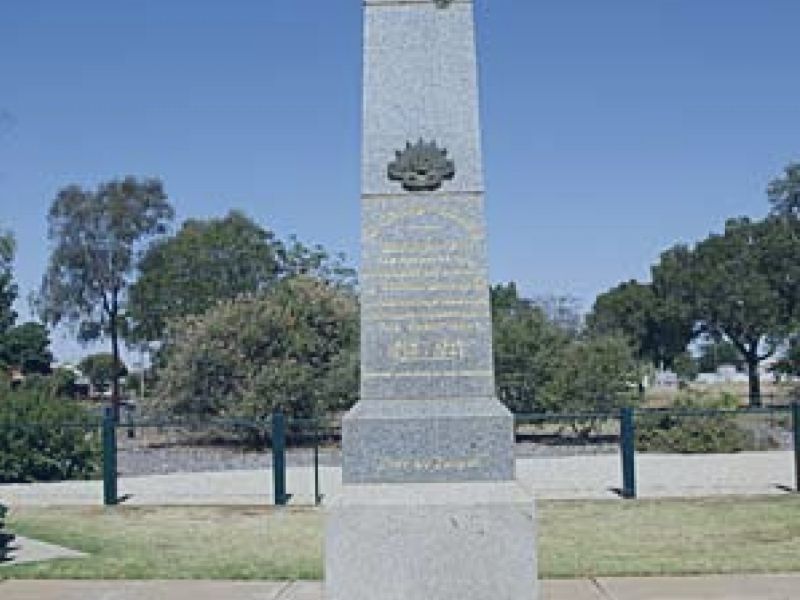
Private Samuel Arthur Sly, 20th Battalion, AIF
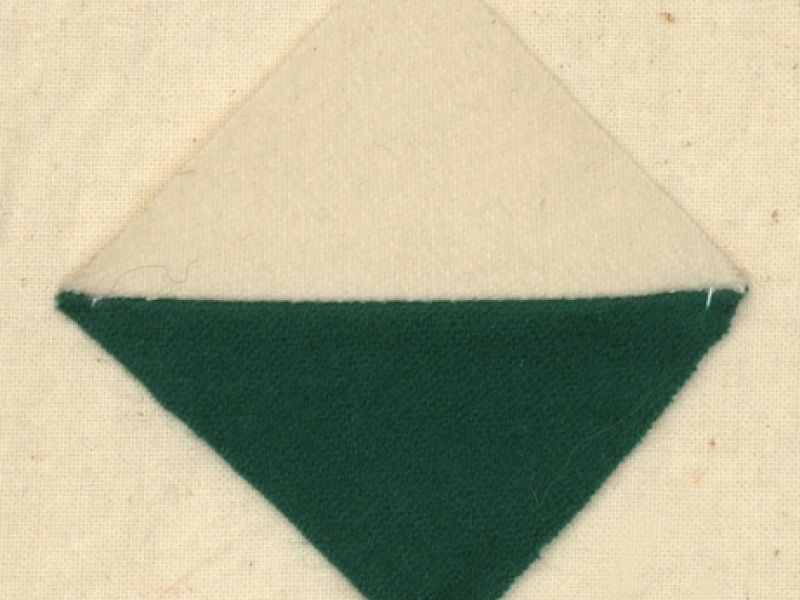
 Australian War Memorial
“Sam” Sly was born in 1895 in Timmering, Victoria, the youngest son of Samuel and Margaret Sly. His father spent many years farming near Rochester, moving to Bullenbong Station in the years immediately before the war.
Sam attended the local Timmering East school before going on to work as a farmer. It was reported that he “was highly esteemed for his excellent social qualities, and no one was surprised when he displayed his courage and volunteered for the army”.
Samuel Sly enlisted for service with the Australian Imperial Force in September 1915. He underwent a period of training before leaving for active service overseas with reinforcements to the 20th Battalion. On his final period of home leave, Sly was presented with a wrist watch and an embossed leather wallet on behalf of the residents of the district at a social.
Sly was first sent to Egypt, where he continued training in the desert before being sent to France to fight on the Western Front.
Shortly after the 20th Battalion’s arrival in France, it was sent to fight on the Somme. On 23 July 1916 the 1st Australian Division attacked and captured the French village of Pozieres. Less than a week later the 2nd Australian Division, of which the 20th Battalion was part, continued the fight along the ridge. Sly missed this first period in the front lines through having contracted a “septic finger”, and would not enter the front lines until nearly a month later.
On 26 August 1916 the 20th Battalion were back in the front line at Pozieres. In the early hours of the morning, the German artillery bombarded the front line. At some point during the day, Private Samuel Sly was badly wounded and evacuated from the front line.
The family were led to believe that Sam Sly had been retrieving wounded from no man’s land and had been shot by a sniper through correspondence with a nurse. However, records indicate that he was wounded by shell-fire, and suffered from a significant wound to his back that penetrated into his chest cavity. Sly was most likely wounded during the early morning German bombardment, which was heavy enough to destroy the trenches he was sheltering in. He was too badly wounded to recover, and died at a casualty clearing station the following day.
His remains were buried in the Puchevillers British Cemetery where he lies today under the words, “he fell in the cause of freedom and right”. He was 21 years old.
- AWM Roll of Honour https://www.awm.gov.au/collection/R1662500