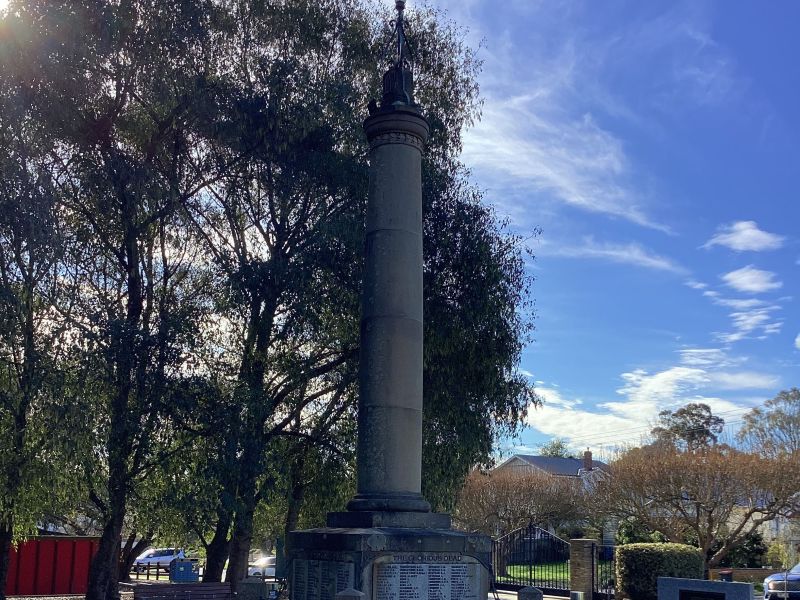
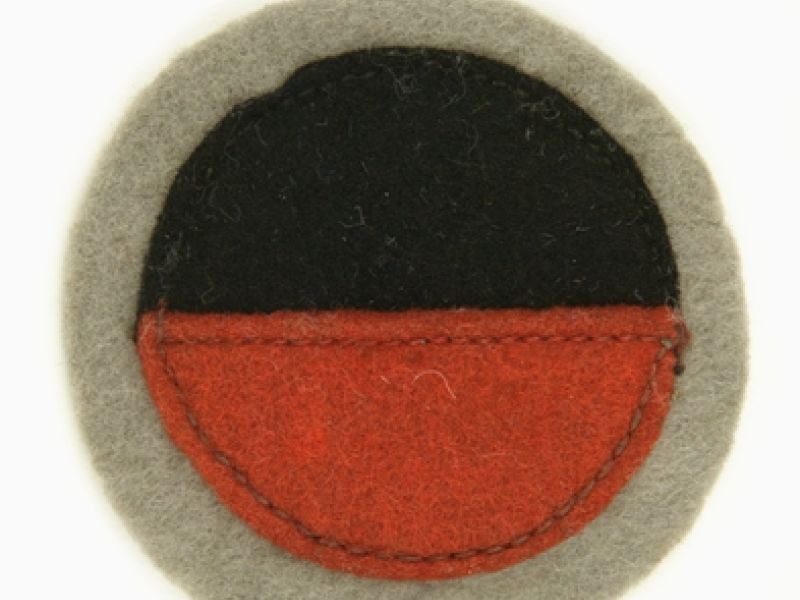
VX14339 Lance Corporal John Edward William Hawkes, 2/31st Australian Infantry Battalion
 Australian War Memorial
John Hawkes, known as Jack, was born on 10 January 1906 in Gillingham, Kent, England, the son of John and Louise Hawkes.
By the time of the Second World War, Hawkes had emigrated to Australia, where he was living with his wife Margaret in Korumburra, a Victorian town situated at the edge of the Strzelecki Ranges in South Gippsland.
Korumburra had rapidly expanded following the discovery of a coal seam in the late 1800s, but 35-year-old Hawkes was unemployed, which may have motivated him to enlist for service.
John Hawkes enlisted in the Second Australian Imperial Force at Melbourne on 15 March 1940. He joined a training battalion, but it wasn’t long before he embarked from Melbourne for overseas service, doing so on 5 May 1940.
While at sea, Hawkes was found absent without leave, and was fined for this infraction of military discipline. He was then admitted to the ship’s hospital with a sprained ankle.
Arriving in England, Hawkes was transferred to the newly formed 2/31st Battalion, one of three battalions formed in the United Kingdom to create the 25th Infantry Brigade. Initially known as the 70th Battalion and based at Tidworth, in October it was retitled the 2/31st and relocated to Colchester. During this time, Hawkes was appointed lance corporal.
After undertaking training, he and his comrades left Britain in early January 1941. They arrived in Egypt in early March, and the 2/31st moved to Palestine.
In mid-April, the 25th Brigade, of which Hawkes’ battalion was part, began to move to Egypt to bolster Allied defences along the Libyan frontier against an expected German attack.
In late May, the battalion returned to Palestine to take part in the 25th Brigade's first offensive operation: the invasion of Syria and Lebanon. Hawkes’ first major engagement came on the 8th of June, when his battalion was ordered to capture the town of mountain town of Jezzine, which controlled one of the routes to the Mediterranean coast. Jezzine fell on 14 June but was heavily counter-attacked by the Vichy French two days later. The terrain around Jezzine was steep and rugged and the fighting exhausting.
The British, labouring under the false assumption that the Vichy French would put up limited resistance, had allocated few aircraft, no tanks, and limited infantry for the offensive. The Vichy French meanwhile had air superiority, more infantry, and two-thirds of an armoured division on hand. They were also were operating in terrain suited to defensive operations.
The battle was still in progress when the armistice was declared on 12 July. This was too late for Lance Corporal John Hawkes, who had been killed in action by enemy aircraft on 18 June 1941.
Initially buried near where he fell, his remains were later reburied in Beirut War Cemetery, where they remain today under the inscription, “Greater love hath no man than this”.
- Roll of Honour, Australian War Memorial https://www.awm.gov.au/collection/R1689458