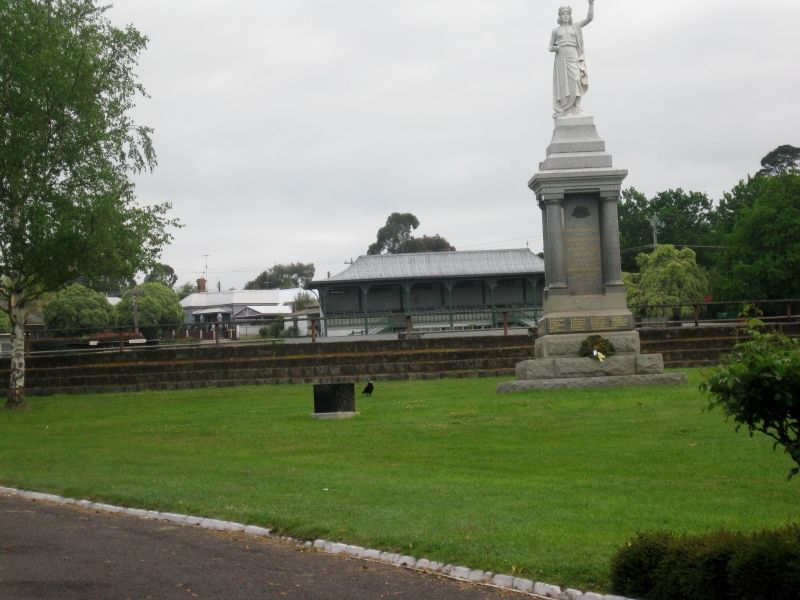
Corporal Alfred Roy Emmett, 39th Australian Infantry Battalion
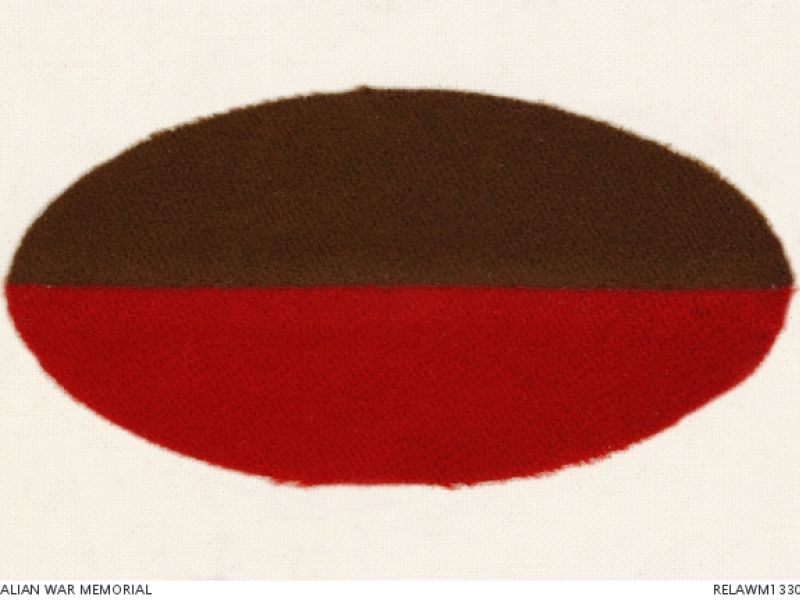
 Australian War Memorial
Alfred Emmett was born on 12 August 1891 in Hamilton, Victoria. Affectionately known as Alf, he was one of 13 children born to farmer Frank Emmett and his wife Kate. Arthur received his education at Hamilton Public School, before working as a farmer. He was farming when the First World War broke out in 1914.
Alf Emmett enlisted in the Australian Imperial Force on 7 April 1916 in Ballarat. He was assigned to C Company of the 39th Battalion and embarked for active service on the troopship Ascanius on 27 May 1916. From South Africa Emmett wrote to his mother:
“At about 4 o’clock in the morning we sailed into the harbour. My word it was a lovely sight as we drew up to the pier, all the town being lit up with electric light. It seemed very funny to see all the shops open on Sunday … On Monday we went out into the country, stopping at a village. Here we held a sort of military sports with the natives taking active part. Sides were picked and a game of football played… I don’t think I have ever enjoyed myself so much.”
Arriving in England, Private Emmett continued training with his comrades and other new recruits. During this period he developed rheumatism and was sent to hospital for a number of weeks. He made his way to the Western Front at the end of November 1916. His unit entered the trenches for the first time on 9 December, just in time for the onset of a bitterly cold winter. Emmett soon became ill. He was sent to hospital on 14 December with mumps, and was later found to be suffering from rheumatic fever. He spent Christmas and New Year in hospital before re-joining his unit as a corporal in January 1917.
His return to the front came as the Germans made a strategic withdrawal to the fortified Hindenburg Line. Their retreat was eagerly pursued by Allied units who seized their opportunity to push the enemy back. These units were confronted by well-prepared rear-guard defences and booby-trapped towns, which resulted in a series of bloody clashes between allied forces and the enemy. The 39th Battalion played a minor role here, taking part in several small raids, with periods of training in the rear areas.
In late April, Emmett’s battalion moved from France to the Ploegsteert sector in Belgium, relieving the 43rd Battalion. The men suffered continual bombardments of artillery and gas and suffered a number of casualties. Four men were wounded, and a further two were killed. Among the dead was Corporal Alf Emmett, who was killed by an enemy shell.
He was buried near where he fell, and today lies at Strand Military Cemetery in Belgium, beneath the words chosen by his parents. They read:
“Fondly loved and sadly missed by his fond mother and father.”
Corporal Alfred Emmett was 24 years old.
- AWM Roll of Honour https://www.awm.gov.au/collection/R1723181