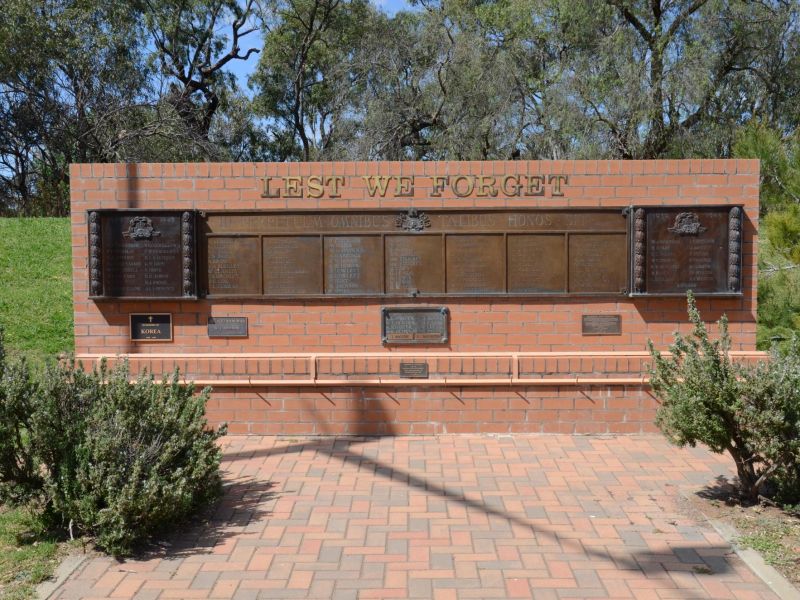
Private Ambrose Leslie George Travers, 3rd Australian Infantry Battalion
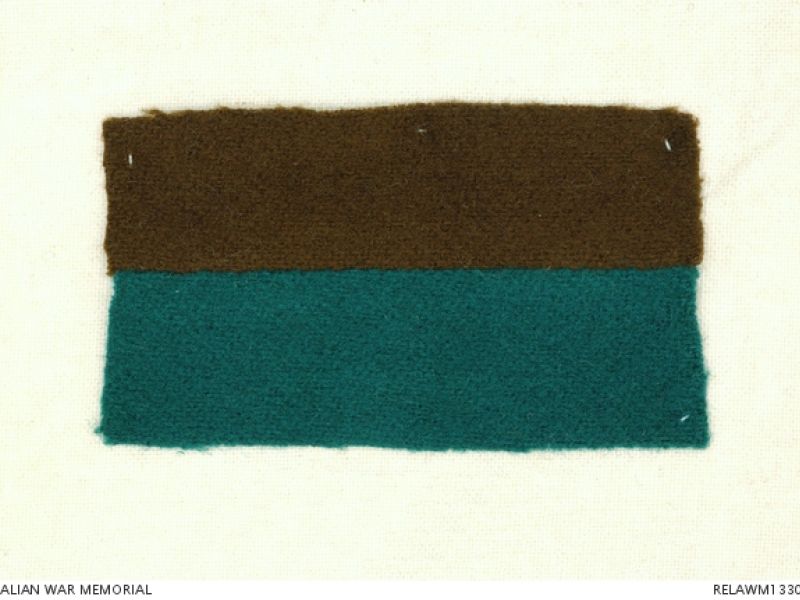
 Australian War Memorial
Ambrose Travers was born in 1894 in Mount Pleasant, near Wollongong in New South Wales. Known as “Paddy” to his friends and family, he was one of eight children born to Nicholas John Travers, a grazier, and his wife Jane Elizabeth. Paddy and his family moved to Dubbo when he was an infant, and later settled in Gilgandra.. He was working as a farmer when the First World War broke out in 1914.
Paddy Travers enlisted in the Australian Imperial Force on 5 January 1916. He was assigned to the 18th Reinforcement of the 3rd Battalion with the rank of private. His brother Nicholas enlisted later that month and was assigned to a different battalion. On 5 June 1916, Private Paddy Travers embarked for active service, sailing from Sydney on the troopship Kyarra.
In August he reached England and continued training alongside other new recruits, but was hospitalised with mumps until October, when he headed for the Western Front. Travers joined his unit in the support lines around Flers in northern France on 10 November 1916, just as a bitterly cold winter began to set in.
In early 1917, the enemy began a strategic withdrawal to the fortified Hindenburg Line. Their retreat was eagerly followed by Allied units keen to push the enemy back. In advancing on the Germans, these units were confronted by well-prepared rear-guard defences and booby-trapped towns, producing a series of bloody clashes with the enemy. Travers’ unit was drawn into a number of small scale engagements, before being drawn into the fighting around the village of Bullecourt.
This was the allies’ second attack on the village, which had been incorporated into the enemy’s new front line. An attack the month before had been absolute carnage. Under heavy machine-gun and artillery fire, and without the support of tanks they had been led to expect, Australian units suffered over 3,000 casualties in one day.
On 3 May Travers and his comrades moved off from their position after a barrage, headed towards the enemy trenches. Just minutes later, the enemy opened their own artillery on the advancing troops causing many casualties and forcing them back. But the allied forces eventually took their objectives after more than a week of fighting. This success came at a cost of a further 7,000 casualties. Among the dead was Private Paddy Travers. Following his death, one of his comrades wrote to Travers’ parents and said:
“I got what information I could concerning Paddy’s death. He was wounded very badly in the leg, but in spite of this was trying to scratch the dirt off one of his mates, who was buried alongside him. He managed to get enough dirt off him to allow him to breathe. Well, Paddy would have been alright. He was seen smoking a cigarette as the stretcher bearers were carrying him out of the line, but the shells were dropping everywhere and he had the misfortune to be hit again and killed. I never thought it would be my lot to have to tell you this but it is my duty to him who is gone.”
Travers was buried near Maricourt Wood in France, but his final resting place was lost during fighting in the region. Today, he is commemorated on the Australian National Memorial at Villers-Bretonneux.
Private Paddy Travers was 23 years old.
- AWM Roll of Honour https://www.awm.gov.au/collection/R1671156