Private William John Olney, 2/22nd Australian Infantry Battalion
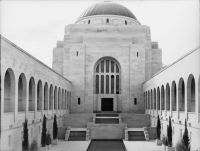 Australian War Memorial
William Olney was born in Whittlesea, north of Melbourne in Victoria, on 27 August 1916. The youngest son of William and Helena Olney, he grew up in a large family, which included 14 brothers, sisters, stepbrothers and stepsisters.
His father had first married in 1887, and remarried after the death of his first wife. The elder William Olney died in mid-1937 at the age of 73.
By this time William Olney the younger, known as “Jock”, was working as a motor driver. Jock Olney enlisted in the Australian Imperial Force on 7 June 1940, at the age of 23.
His older brother, James, commonly known by his middle name “Neil”, had also enlisted, and the two would end up serving in the same unit.
Jock began training, and in October was transferred to the 2/22nd Battalion, which was then training at Bonegilla.
After further training, the two Olney brothers and their battalion were sent to Sydney in April 1941 to prepare for active service in New Britain. Arriving at Rabaul on 26 April, the battalion formed the main element of Lark Force. Tasked with protecting the airfields at Lakunai and Vunakanau, and the seaplane base at Rabaul – the battalion spent the following months constructing defences and training for operation in a tropical environment.
In January 1942, the Japanese bombing of New Britain began, increasing in intensity as the month continued. By 22 January, No. 24 Squadron had been virtually destroyed and its three remaining aircraft were withdrawn. There was no use for the airstrips, so they were destroyed, and Lark Force withdrew from Rabaul, waiting on the western shores of Blanche Bay for the inevitable Japanese landings.
These began at 1 am on 23 January. Overwhelming Japanese strength, and the Australians’ own communication failures, quickly cracked the cohesion of the their defence. Realising the futility of the situation, Colonel John Scanlan ordered a withdrawal on the basis of “every man for himself”.
Over the following days, groups and individuals sought escape along New Britain’s north and south coasts. Some found small boats and got away on their own; others were picked up by larger vessels operating from New Guinea. Around 400 members of Lark Force managed to return to Australia.
A grisly fate awaited those who were captured. On 4 February, a group of 160 were massacred at the Tol Plantation shortly after their surrender.
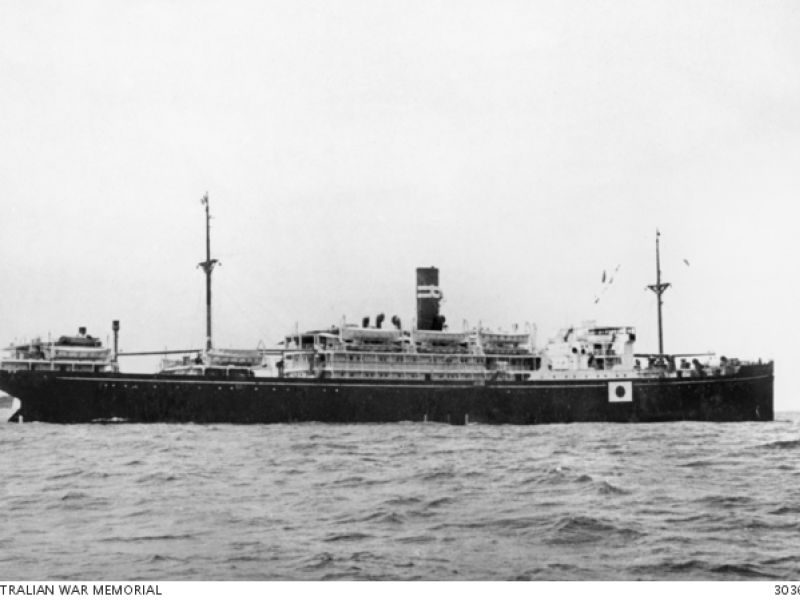
Private Olney was lucky enough to avoid this fate. He was among the group of approximately 850 military prisoners and 200 civilian internees who were ordered to board the Montevideo Maru on the morning of 22 June.
Eight days into the voyage to Hainan, the Montevideo Maru was spotted by the American submarine USS Sturgeon, which manoeuvred into position to fire its stern torpedoes. Survivors from the Montevideo Maru’s Japanese crew reported two torpedoes striking the vessel, followed by an explosion in the oil tank in the aft hold.
The vessel sank in as little as 11 minutes. Of those aboard, barely 20 Japanese crew survived; over 1,000 others on the ship died. An estimated 1000 Australians perished. According to a surviving Japanese crewman, Australians in the water sang “Auld Lang Syne” to their trapped mates as the ship sank beneath the waves.
The sinking is considered the worst maritime disaster in Australia's history. Among the dead was Private Jock Olney, who was 25 years old.
Jock’s elder brother, Neil, managed to escape Rabaul, eventually returning to Australia, where his wife gave birth to a son named in honour of Jock Olney. Neil died from complications of malaria in 1945, when his son was three months old. At the time of his death, he was unaware of the fate of his brother.
With no knowledge of the loss of Montevideo Maru, the families of those on board continued to send letters in the belief that their loved ones were being held as prisoners of war. It was not until after the war that they discovered the fate of those lost on the Montevideo Maru.
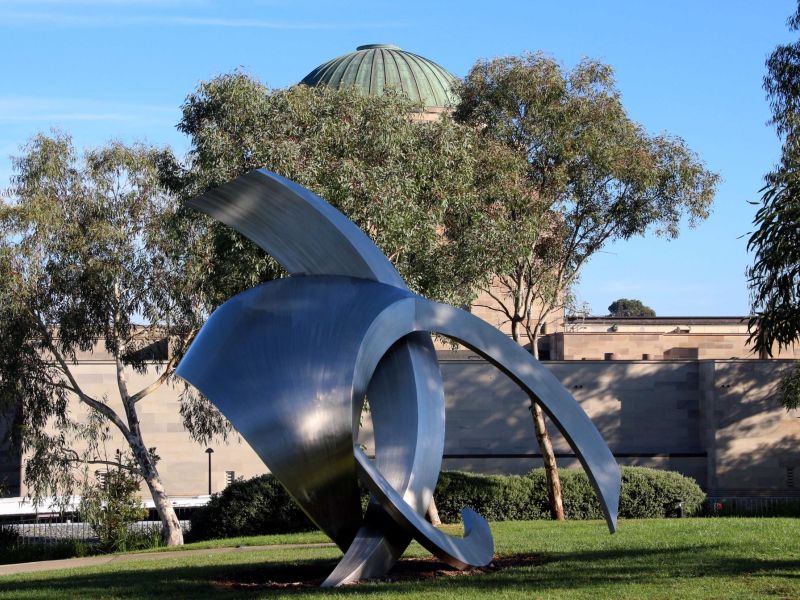
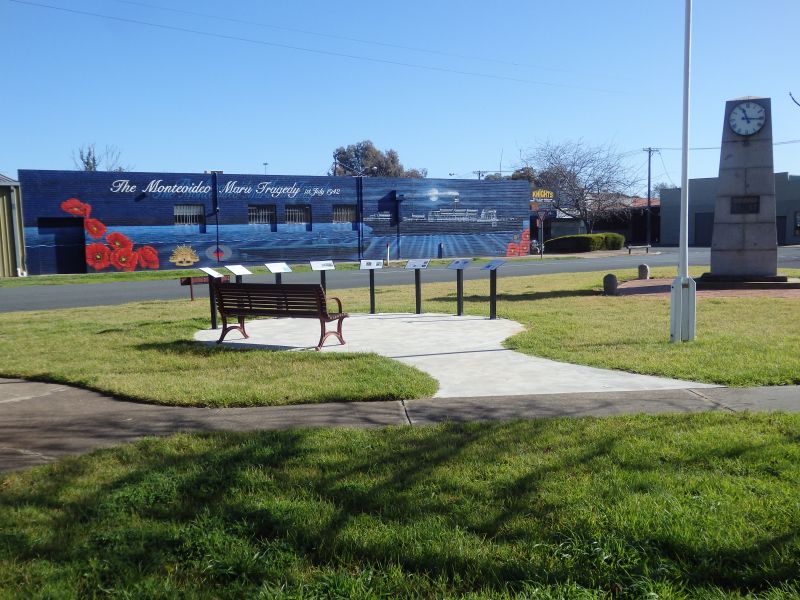
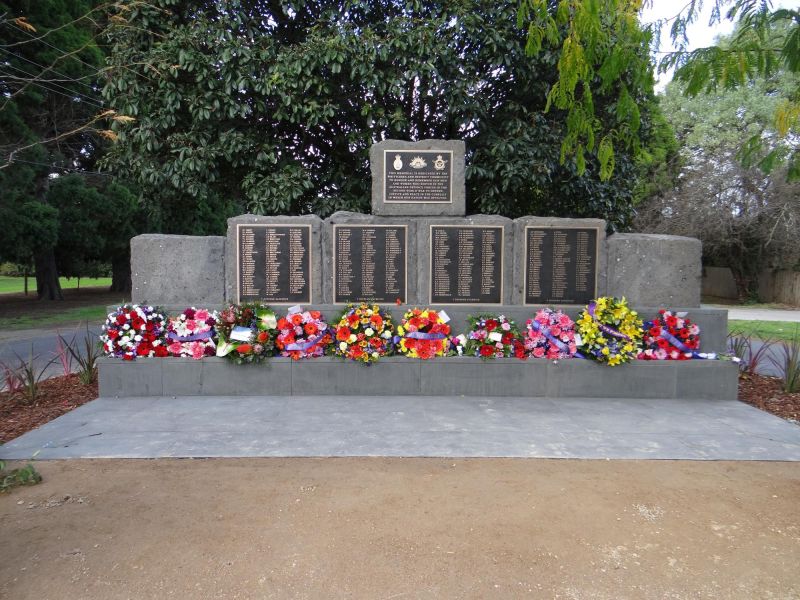
Today, Private Jock Olney is commemorated at the Rabaul Memorial, at the Montevideo Maru memorial in Ballarat, and the Rabaul and Montevideo Maru memorial here at the Australian War Memorial.
- Roll of Honour, Australian War Memorial https://www.awm.gov.au/collection/R1681800