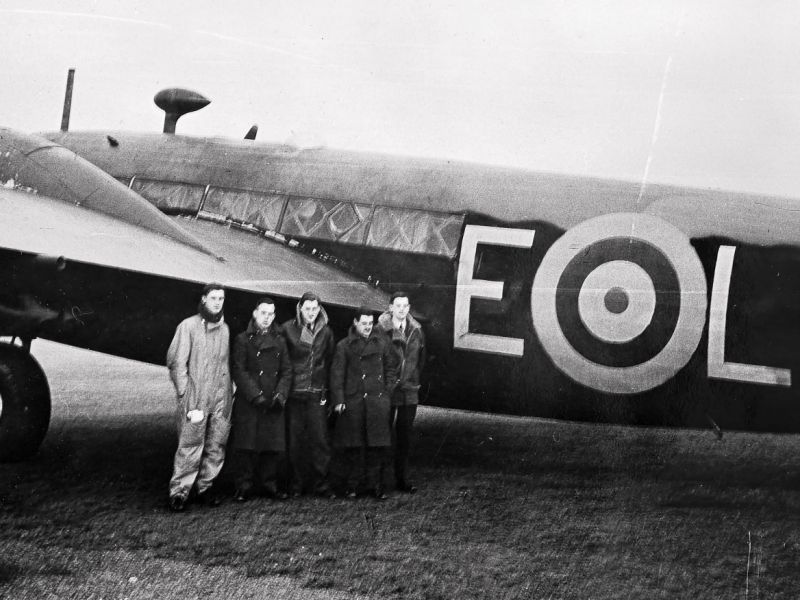
Sergeant Ronald Joshua Bell, No. 99 Squadron, Royal Air Force.
 Australian War Memorial
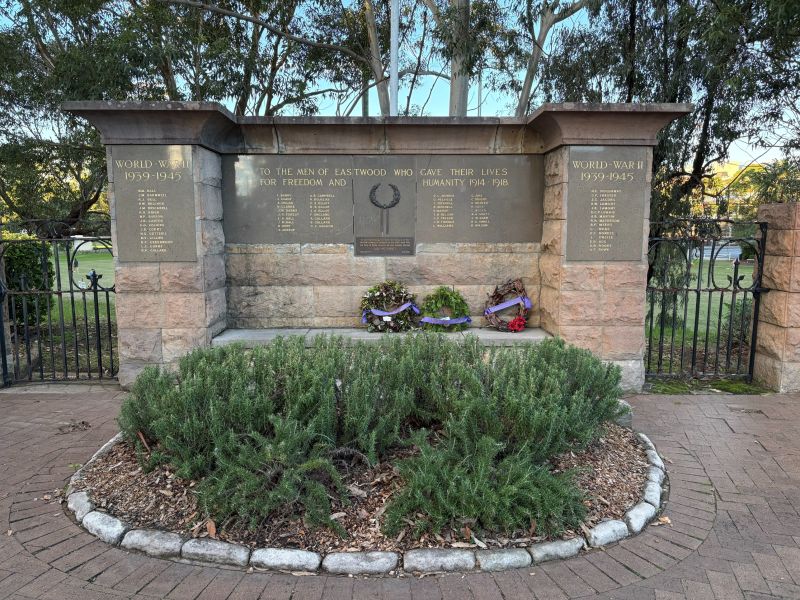
Ronald Bell was born on the 19th of March 1921 in Summer Hill, New South Wales. He was the elder of two sons born to First World War veteran Russell Bell and his wife Elizabeth. Ronald grew up in the suburbs of Sydney, and received his early education at Eastwood Primary school. He later attended Fort Street Boys High School, and was a keen sportsman, enjoying playing cricket, rugby and tennis. On completion of his schooling, Ronald began studying an engineering course at Sydney Technical College. When the Second World War broke out in 1939, he was working for the Maritime Services Board of New South Wales as a cadet draughtsman.
Ronald Bell enlisted in the Royal Australian Air Force on the 16th of September 1940. He was mustered as aircrew, and began initial training at Bradfield Park, on the outskirts of Sydney. He later undertook elementary flying training at Narrandera in November before returning to Sydney in January 1941. Later that month, he embarked for Canada, arriving in mid-February. There, he joined No. 4 Service Flying Training School in Saskatoon, and gained hours of flight training in aircraft including the Cessna Crane. In June 1941, Bell was awarded his flying badge and embarked for England. As part of the Empire Air Training Scheme, he was one of almost 27,500 RAAF pilots, navigators, wireless operators, air gunners, and flight engineers who, throughout the course of the war, joined Royal Air Force squadrons or Australian squadrons based in Britain.
In England, Bell was allocated to No. 27 Operational Training Unit at the Royal Air Force Base Lichfield. He and his comrades trained as night bomber crew and learned to fly Vickers Wellington twin-engined long range medium bombers. In September, Bell was allocated to his first operational unit, No. 99 Squadron, Royal Air Force. Based in Waterbridge in Cambridgeshire, the squadron formed part of No. 3 Group of Bomber Command, and was responsible for undertaking night bombing raids against targets in enemy occupied Europe.
“Ronnie”, as he was known, took part in his first operational mission a few days after joining his new squadron. Targeting the city of Genoa in Italy, adverse weather saw Bell and his crew recalled to base before they were able to release their bombs. Over the weeks which followed, he took part in two attacks on the German city of Bremen, a well-known industrial hub which included shipyards, oil refineries and the Focke-Wulf aircraft works.
On the 1st of November, Bell took part in an attack on the French city of Brest. Returning safely to base, he was next called into action six days later to join an attack on the German capital, Berlin. Bell and his comrades took off and headed for their target. Cloud cover obscured most of the city, making it difficult for the bombing crews to release the bombs on target and identify the damage caused. At the conclusion of the raid it was discovered that three aircraft had failed to return from the mission. Among the missing was Sergeant Bell and the crew of Wellington T2554.
It was not until 1942 that Bell’s fate was confirmed, when a number of his comrades were discovered to be prisoners of war in Germany. They revealed that their Wellington began to ice up during the raid on Berlin, and that the crew were forced to evacuate. They noted that Bell was the first to exit the aircraft, however his parachute failed to open during his descent. His remains were later located not near the wreckage of the Wellington.
Today, his remains lie in Becklingen War Cemetery in Germany, beneath the words chosen by his family: “He that believeth in me hath everlasting life.”
Ronald Bell was 20 years old.
- AWM Roll of Honour https://placesofpride.awm.gov.au/contributor/36612
- Memorial flight club https://www.memorialflightclub.com/blog/80-years-ago-%E2%80%93-largest-raf-bomb…
- Aviation Museum WA https://aviationmuseumwa.org.au/afcraaf-roll/bell-ronald-joshua-402497/