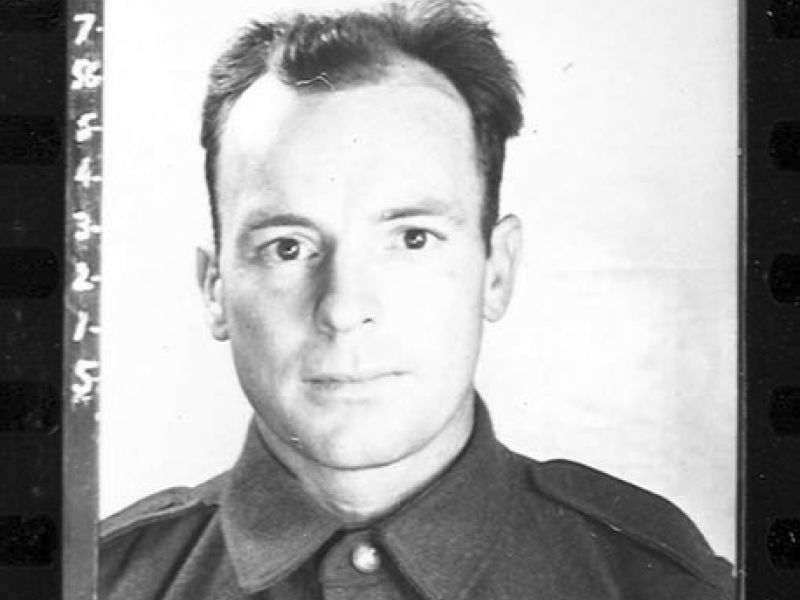
Private Charles Henry McDonald, 2nd Echelon Reinforcements
 Australian War Memorial
Charles McDonald was born on 9 November 1912 in Wellington, New South Wales, the son of Thomas Jackson and Anne Harvey McDonald. Charles had numerous siblings including half brothers and sisters from his mother’s previous partner.
Australia went to war in September 1939 and McDonald duly enlisted in the Australian Imperial Force in Sydney on 28 October 1941. The next day he was sent to the 1st Infantry Training Battalion stationed in Tamworth. By the end of the year Japan had entered the war, bringing danger closer to home.
In mid-January 1942, Private McDonald was sent by sea from Sydney to Fremantle, Western Australia. For going absent without leave for twenty-four hours, he was fined two days’ pay and detained in barracks for ten days. Released at the end of January, Charles embarked for overseas service with 2nd Echelon reinforcements for the 8th Division, which had been engaged in heavy fighting against the Japanese in Malaya and points farther south across the Netherlands East Indies and Rabaul.
Charles arrived in Java and joined a scratch force of Australian troops that had been hurriedly deployed to help Dutch forces defend the island. “Blackforce”, as it was known, comprised some 3,000 Australian troops under the command of Brigadier Arthur Blackburn VC. At the end of February, Japanese troops began landing on Java and quickly advanced inland. After a few days fighting south-west of Batavia (today’s Jakarta), the Australians were overwhelmed by the much larger enemy force. Dutch forces on Java capitulated on 8 March, and a few days later, their situation hopeless, the Australians reluctantly followed suit.
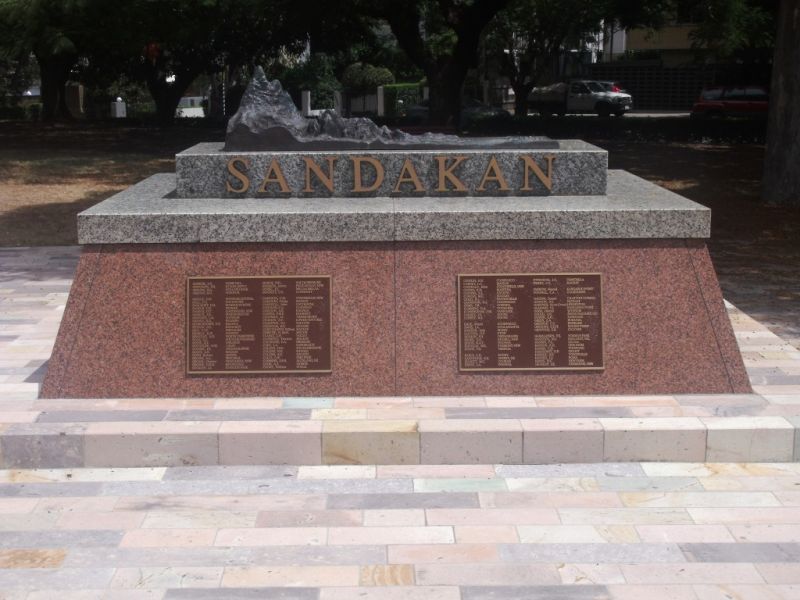
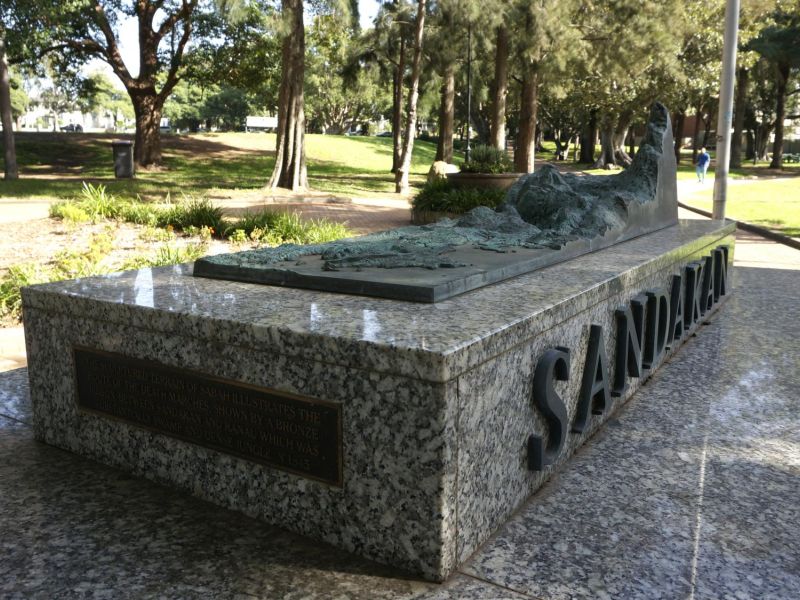
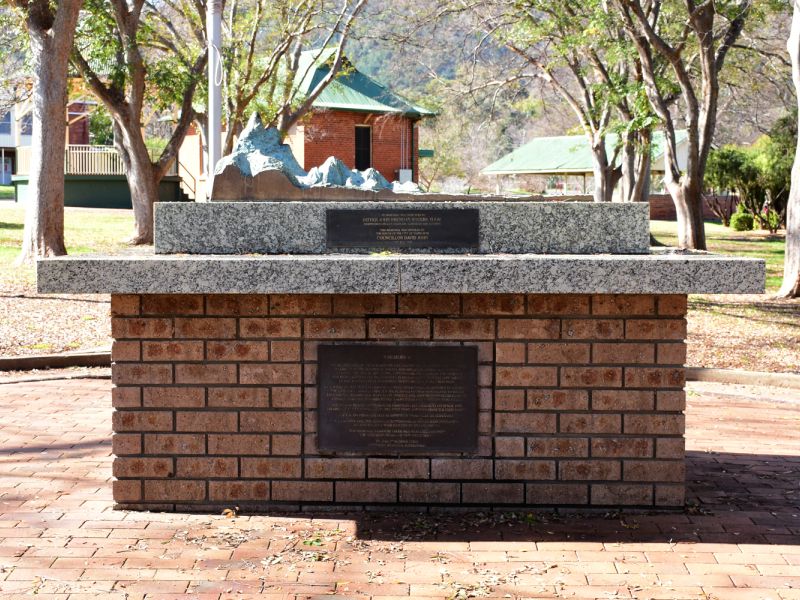
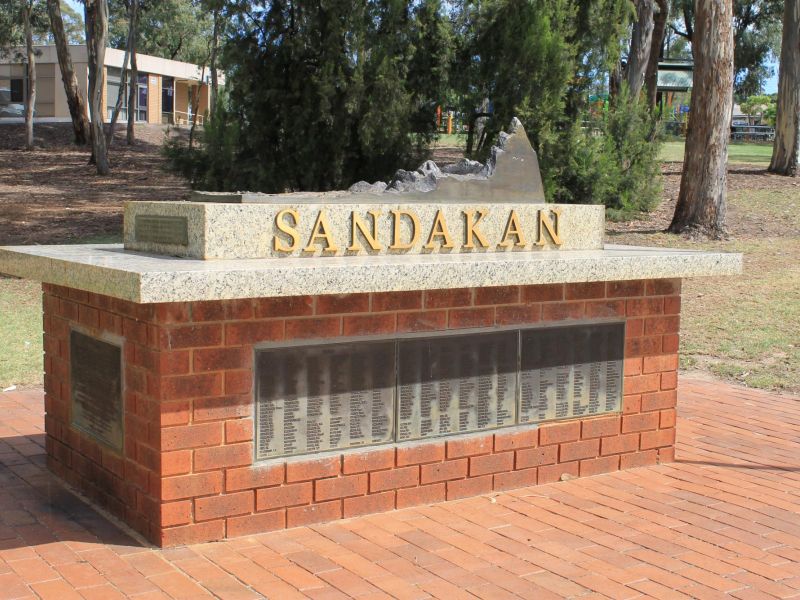
Charles was among those transported to Changi, and was later one of 1,500 POWs that made up B Force, which sailed from Singapore on 8 July 1942 in one of the so-called “hell ships”, the Ubi Maru. Ten days later the group established a camp at Sandakan on the north-eastern coast of North Borneo, where prisoners began building an airstrip.
At first conditions and food supplies were reasonable. However, from September 1942 the Japanese control began to tighten. From mid-1943 conditions at Sandakan deteriorated, due partly to the arrival of brutal Formosan guards. A small cage was built within the camp to punish prisoners for trivial offences. Some men were confined, without being able to stand up and with little food, for as long as a month. Treatment of the remaining prisoners worsened in 1944, with brutal beatings, torture and dwindling food supplies.
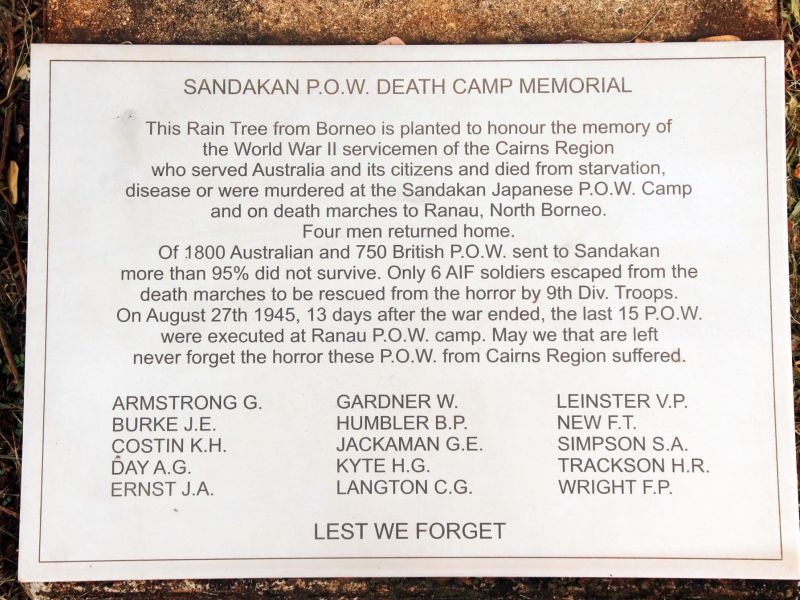
By early 1945 the Japanese feared an Allied invasion of Borneo, and they began moving prisoners away from the coast, overland to Ranau, a small village some 250 kilometres to the west. The first group of 455 prisoners left in batches of 50, beginning on 28 January. Already weak from beri beri and malnutrition, and most lacking boots, those who fell by the wayside or were unable to continue were executed along the way.
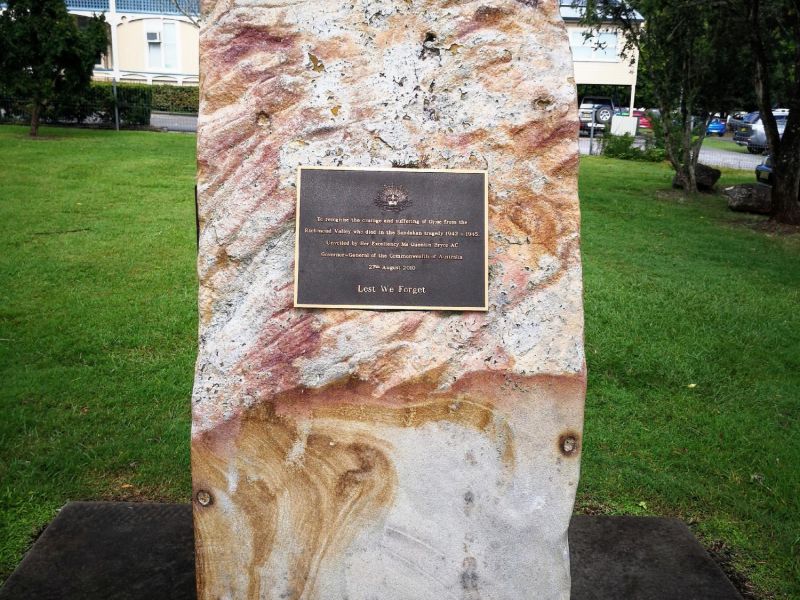
Further Allied advances and increased bombing forced the abandonment and torching of the Sandakan prisoner of war camp. Further marches took place in May and June, while the weak and ill were left behind without accommodation, food, or medical care. Some 2,428 British and Australian prisoners of war died at Sandakan or on the death marches to Ranau. Six Australians survived the death marches.
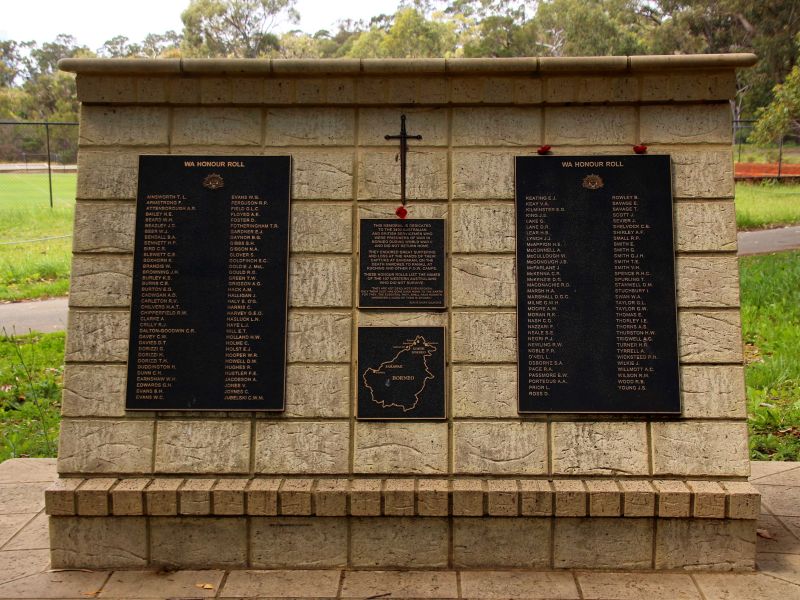
Records indicate that Private Charles McDonald was among those who remained in camp, too sick to join the overland marches. He succumbed to malaria at Sandakan Number 2 Camp on 3 June 1945 and was buried in a slit trench within the compound. Like most, his remains were never recovered after the war. Today, he is commemorated on the Labuan Memorial, which names over 2,000 Australians who died while prisoners of war in Borneo and the Philippines, and who have no known grave. He was 32 years old.
- Australian War Memorial Roll of Honour https://www.awm.gov.au/collection/R1683865