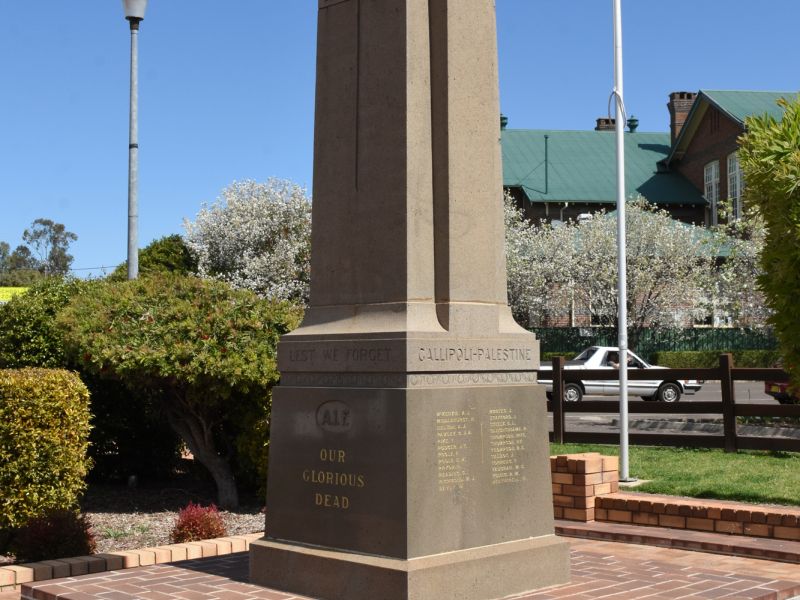
Private Richard Winstanley Adams, 34th Australian Infantry Battalion, AIF
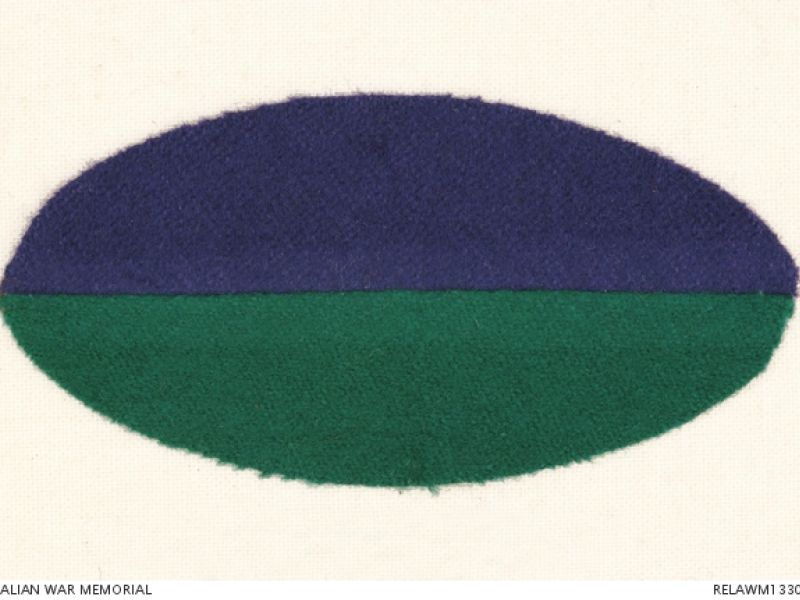
 Australian War Memorial
Richard Winstanley Adams was born in 1893 in Narrabri, northern New South Wales, the second son of Richard and Charlotte Adams. Richard attended Narrabri Public School. He later moved south to Gunnedah, where he worked as a farmer.
In December 1915, Adams volunteered for service in the Australian Imperial Force. He joined the newly-raised 34th Australian Infantry Battalion. With these men, he undertook initial training in Australia before sailing to England in May 1916 on board the transport ship Hororata. In England, the unit continued training for five months, before sailing for France in November 1916.
The winter of 1916 to 1917 was the coldest in decades in northern France. The men of the 34th Battalion spent time in billets near the city of Armentieres, close to the Belgian border. They also spent time in front-line trenches. No major battles took place during winter, but while in the trenches, the men endured German artillery barrages, snipers, machine-gun fire, gas attacks, and raiding patrols.
In the middle of 1917, British commanders turned their attention away from the Somme River sector and towards the border of France and Belgium. They planned a major offensive aimed at capturing the higher ground outside the town of Ypres in Belgium. The first step in this campaign was to be the capture of the ridgeline outside the town of Messines to the south.
In preparation for the assault on Messines, British, Canadian, and Australian soldiers had dug mines underneath the German positions and filled them with explosives. Just after 3 am on 7 June 1917, these explosives were detonated, and the allied soldiers charged the German lines.
Those in Adams’ company remembered him going over the top and into no man’s land on the morning of the attack. He was killed in action during the charge. The men with him had varied recollections – some said he was killed by machine-gun fire, some, by a shell fragment.
Richard Adams was 23 years old.
Adams’ remains were buried where he fell, but in the subsequent fighting, the location of his gravesite was lost. His name appears on the Menin Gate Memorial in Ypres, alongside more than 54,000 Commonwealth troops who were killed in Belgium during the war and whose burial places are unknown.
- AWM Roll of Honour https://www.awm.gov.au/collection/R1723858